


Customer interactions form the backbone of any successful service strategy. When you capture these moments accurately, you create a living history of your relationship with your audience. This history is not just a record; it is the raw material for understanding behavior, predicting needs, and refining the customer journey. Documenting customer interactions effectively bridges the gap between isolated service tickets and a cohesive narrative of the user experience.
In the context of customer journey mapping, every touchpoint matters. Whether a customer calls, chats, emails, or visits a physical location, the data generated from that moment informs the broader map. Without high-quality documentation, the map is merely a hypothesis. With it, the map becomes a validated tool for strategic decision-making. This guide explores the methodologies required to capture these moments with precision and purpose.
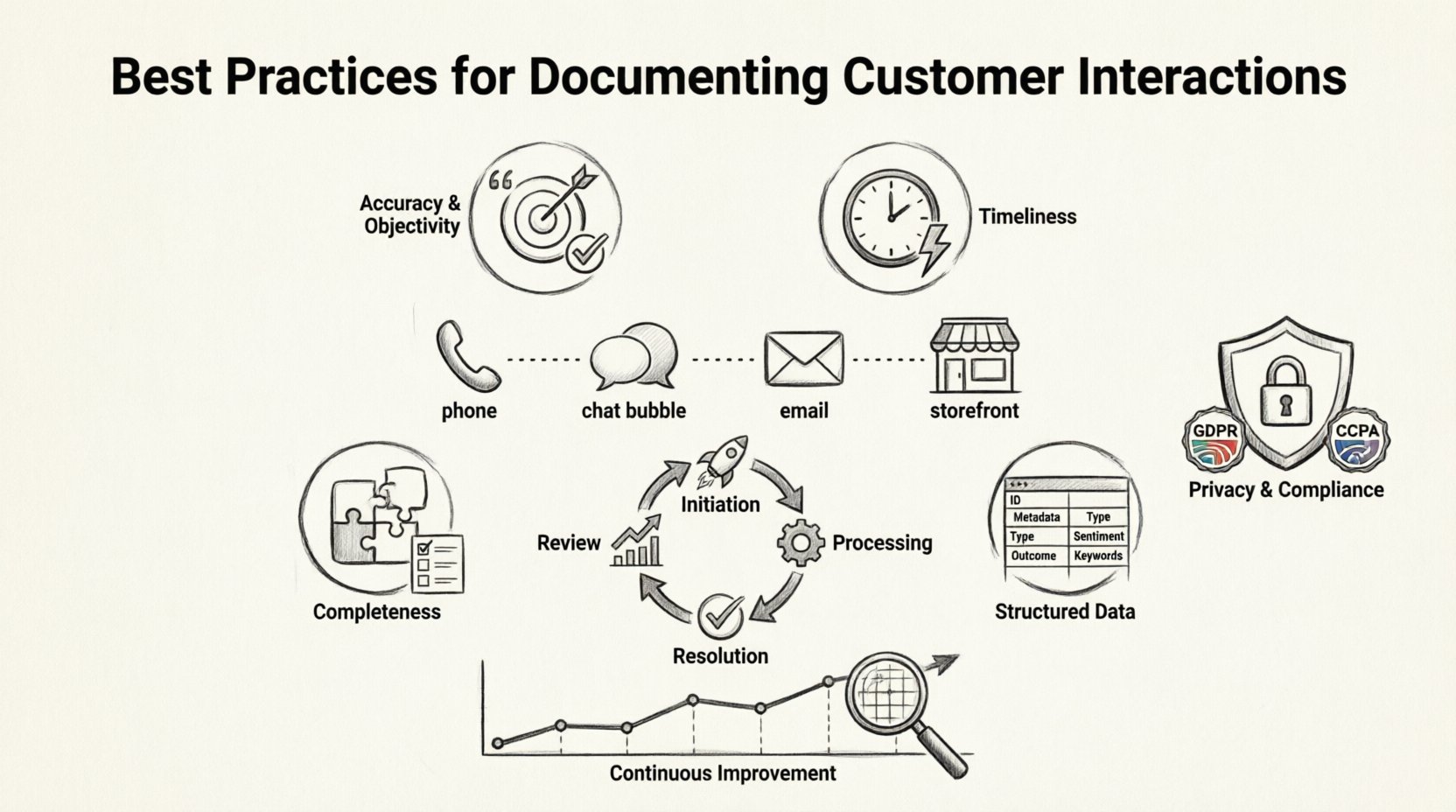
🗺️ Understanding the Context of Journey Mapping
Before diving into the mechanics of documentation, it is essential to understand why this process exists. Customer journey mapping visualizes the steps a person takes to achieve a goal with your organization. However, a map is static without the data that populates it. Documentation provides the evidence that validates the journey’s stages.
- Validation: Records confirm if a customer actually experienced the intended step.
- Gap Analysis: Documentation reveals where the process breaks down or causes friction.
- Personalization: Detailed notes allow teams to tailor future interactions based on past history.
- Continuous Improvement: Aggregated data highlights trends that require systemic changes.
When you document interactions with journey mapping in mind, you shift from reactive logging to proactive insight gathering. You stop asking “What happened?” and start asking “What does this mean for the user’s path?”.
📂 Core Principles of Effective Documentation
Consistency is the currency of data integrity. If one team member records an interaction differently than another, the resulting data becomes noisy and unreliable. To maintain authority in your records, adhere to the following foundational principles.
1. Accuracy and Objectivity 🎯
Documentation should reflect the facts of the interaction, not the feelings of the recorder. While empathy is crucial for the interaction itself, the record must remain neutral. Avoid subjective language that could bias future analysis.
- Use direct quotes: If a customer expresses a specific frustration, record their exact words where possible.
- Separate fact from inference: Do not write “The customer was angry.” Instead, write “The customer raised their voice and stated they were frustrated with the delay.”
- Verify details: Ensure dates, times, and account numbers are correct before saving the entry.
2. Timeliness ⏱️
The quality of documentation degrades over time. Memories fade, and details blur. Recording an interaction immediately after it concludes ensures the highest fidelity of information.
- Immediate entry: Complete the documentation log while the conversation is still fresh in your mind.
- Real-time updates: If an interaction spans multiple sessions, update the record as the conversation progresses.
- Deadlines: Establish a standard turnaround time for closing out interaction notes.
3. Completeness 🧩
A record is only useful if it contains all necessary context. Missing information creates blind spots that can lead to poor decisions. Every entry should answer the fundamental questions of who, what, when, and why.
- Contextual background: Include relevant history that explains the current situation.
- Resolution status: Clearly state whether the issue was resolved, escalated, or left pending.
- Next steps: Document any agreed-upon actions that need to happen next.
📊 Structuring Your Data for Journey Mapping
To make documentation useful for journey mapping, it must be structured. Unstructured text is difficult to analyze at scale. You need standardized fields that can be aggregated and compared. Below is a framework for structuring interaction data.
| Field Category | Specific Data Point | Why It Matters |
|---|---|---|
| Identification | Customer ID, Account Number | Links the interaction to the specific user profile. |
| Metadata | Date, Time, Duration, Channel | Helps identify peak times and preferred communication methods. |
| Interaction Type | Inquiry, Complaint, Purchase, Support | Classifies the nature of the touchpoint within the journey. |
| Sentiment | Positive, Neutral, Negative | Tracks emotional shifts across the customer lifecycle. |
| Outcome | Resolved, Escalated, Abandoned | Measures the efficiency and effectiveness of the touchpoint. |
| Keywords | Top Tags (e.g., “Billing”, “Login”, “Refund”) | Facilitates quick filtering and trend analysis. |
Using a structured approach allows you to query your records later. You might ask, “How many negative interactions occurred during the checkout phase?” or “What is the average resolution time for billing inquiries?” Without the structure in the table above, answering these questions becomes manual and prone to error.
🔄 The Documentation Lifecycle
Documentation is not a one-time event. It is a cycle that evolves as the customer relationship evolves. Understanding the lifecycle helps teams manage the flow of information from start to finish.
Phase 1: Initiation 🚀
This phase begins when the customer makes contact. The primary goal is to capture the trigger. Why did they reach out? What was the immediate pain point?
- Record the initial request clearly.
- Note the customer’s emotional state upon contact.
- Assign the appropriate category based on the trigger.
Phase 2: Processing 🛠️
During the active handling of the interaction, updates are critical. If the interaction involves multiple steps, the record must reflect the progression.
- Log every handoff between team members.
- Document any information gathered from the customer.
- Note any internal research or investigation conducted.
Phase 3: Resolution ✅
The interaction ends when the customer acknowledges the outcome. This phase focuses on closure and verification.
- Confirm the solution meets the customer’s needs.
- Record the final status code.
- Summarize the key takeaways for future reference.
Phase 4: Review 📈
After the interaction is closed, the data is reviewed for quality and insights. This is where journey mapping gets its fuel.
- Check for missing fields or incomplete notes.
- Flag recurring issues that need systemic fixes.
- Update the journey map if a new touchpoint is identified.
🔒 Privacy, Compliance, and Ethics
When documenting interactions, you are handling sensitive information. Trust is fragile, and data breaches destroy it. Adhering to privacy standards is not just a legal requirement; it is a customer expectation.
Data Protection Standards 🛡️
You must ensure that all recorded information complies with relevant regulations such as GDPR or CCPA. This involves knowing what data you can store and how long you can keep it.
- Minimization: Only collect data that is strictly necessary for the interaction.
- Encryption: Ensure that data is stored securely during transmission and at rest.
- Access Control: Limit who can view sensitive customer records to authorized personnel only.
Ethical Considerations ⚖️
Beyond legal compliance, there are ethical dimensions to consider. Transparency builds trust. Customers should know what is being recorded and why.
- Notification: Inform customers when calls or chats are being recorded.
- Usage: Ensure records are used to improve service, not to penalize customers.
- Consent: Obtain consent for storing data for future analysis or marketing purposes.
👥 Training and Governance
Even the best system fails if the people using it are not trained correctly. Documentation standards must be embedded into the culture of the organization. This requires ongoing training and governance.
Standard Operating Procedures (SOPs) 📋
Develop clear SOPs that dictate how documentation should be performed. These documents serve as the single source of truth for the team.
- Templates: Use templates to ensure all necessary fields are filled.
- Language Guidelines: Define the tone and terminology used in records.
- Checklists: Implement checklists for common interaction types.
Quality Assurance Audits 🔍
Regular audits ensure compliance with standards. This process should be constructive, aimed at improvement rather than punishment.
- Random Sampling: Review a random selection of records weekly.
- Feedback Loops: Provide specific feedback to staff based on audit findings.
- Recognition: Reward high-quality documentation to encourage best practices.
📉 Analysis and Continuous Improvement
The ultimate goal of documentation is action. Data that sits in a log is wasted potential. You must actively analyze records to drive improvements in the customer journey.
Trend Identification 📊
Look for patterns in the data. Are certain issues recurring at specific times? Do specific channels generate more negative feedback?
- Volume Analysis: Track the volume of interactions over time.
- Topic Clustering: Group similar issues to identify root causes.
- Sentiment Tracking: Monitor emotional trends to catch dissatisfaction early.
Feedback Integration 🔄
Connect the documentation data with other feedback mechanisms. Surveys, reviews, and social media mentions should be cross-referenced with interaction logs.
- Cross-Validation: Verify if survey scores match the interaction logs.
- Root Cause: Use logs to understand the “why” behind survey scores.
- Action Plans: Create improvement plans based on the combined data.
❓ Frequently Asked Questions
How long should I keep customer interaction records?
Retention periods depend on legal requirements and business needs. Typically, records are kept for a minimum of seven years to comply with general data regulations, though specific industries may require longer. Always consult your legal team for specific retention policies.
What if the customer asks to see their record?
Customers generally have the right to access their personal data. Ensure you have a process in place to retrieve and share relevant portions of their history securely and promptly.
How do I handle conflicting information in records?
If different team members record different details, investigate the discrepancy. Verify with the customer if possible. Once verified, update the record with the correct information and add a note explaining the correction to maintain an audit trail.
Can I use abbreviations in documentation?
Use abbreviations only if they are universally understood within your organization. Avoid internal jargon that might confuse future readers or auditors. Clarity should always take precedence over brevity.
🚀 Moving Forward
Documenting customer interactions is an ongoing commitment. It requires discipline, technology, and a culture that values data integrity. By following these practices, you ensure that every conversation contributes to a clearer picture of your customer’s journey. This clarity allows you to serve better, anticipate needs, and build stronger relationships.
Start by auditing your current practices. Identify gaps in your structure and fill them with the frameworks outlined above. As you refine your process, you will find that your documentation becomes a strategic asset rather than an administrative burden. The journey never truly ends, but with better records, the path becomes easier to navigate.
Remember, the quality of your insights is directly tied to the quality of your records. Invest time in getting this right, and the returns will be evident in every metric that matters.