

Organizational change is rarely a straight line. It is a complex web of decisions, dependencies, and human factors that often leads to unexpected friction. When leaders attempt to shift strategy, restructure departments, or migrate technology, the underlying architecture of the enterprise is the silent driver of success or failure. This is where the ArchiMate modeling language provides significant value beyond mere documentation. It serves as a structural framework that clarifies relationships between business strategy and technical execution.
Many teams approach change management with a focus on people and processes alone. However, without a clear map of how these elements connect, initiatives can stall. ArchiMate offers a standardized way to visualize these connections. It allows architects and managers to see the ripple effects of a decision before it is implemented. This article explores how leveraging this architecture framework can stabilize change efforts, improve communication, and reduce risk across the enterprise.
Understanding the Intersection of Architecture and Change 🧩
Change management often treats the organization as a static entity that is being altered. In reality, the organization is a dynamic system. Every modification to a business process affects the applications that support it, which in turn rely on the technology infrastructure beneath them. ArchiMate bridges the gap between these layers.
When change is introduced, the following questions must be answered:
- How does this business change impact the IT landscape?
- Which stakeholders are directly affected by this transition?
- What are the dependencies between the new requirements and existing capabilities?
- How does this align with the long-term strategic goals?
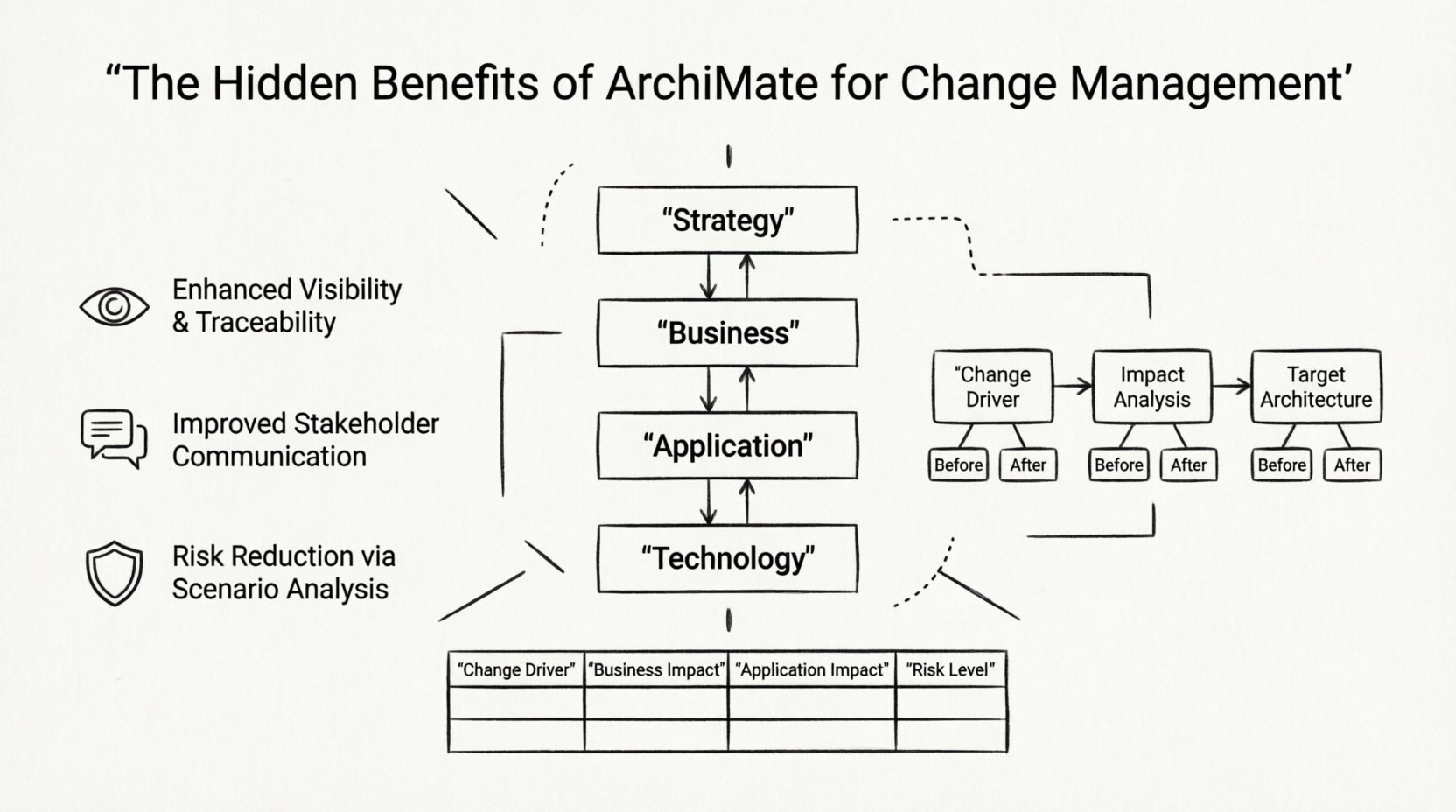
Without a formalized modeling approach, answers to these questions rely on tribal knowledge or fragmented spreadsheets. ArchiMate provides a common language. It defines specific building blocks for Business, Application, and Technology layers, along with the Motivation layer which captures the drivers behind the change.
The Layers of Enterprise Context
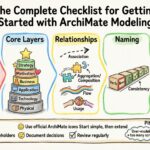
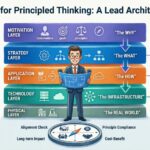
To understand the benefits, one must first understand the scope. The framework divides the enterprise into distinct but interconnected layers:
- Strategy Layer: Captures the motivations, goals, and principles driving the organization.
- Business Layer: Describes the business processes, organization structure, and functions.
- Application Layer: Represents the software systems that support business processes.
- Technology Layer: Describes the infrastructure and hardware supporting the applications.
Change management initiatives often jump between these layers. A business decision (Strategy) impacts a department (Business), which requires a new software tool (Application), deployed on specific servers (Technology). ArchiMate ensures that the impact is tracked across all these levels simultaneously.
Key Benefits for Change Initiatives 📈
The application of ArchiMate in change management is not about creating documentation for its own sake. It is about gaining clarity and control. The following benefits demonstrate how the framework supports complex transitions.
1. Enhanced Visibility and Traceability 👁️
One of the primary causes of project failure is the inability to trace the impact of a change. When a regulation changes, or a market opportunity arises, the ripple effect can be difficult to predict. ArchiMate enables traceability links between the motivation for change and the structural elements affected.
For example, if a new compliance requirement is introduced:
- Traceability: You can link the requirement directly to the business process that needs modification.
- Impact Analysis: You can trace that business process to the specific applications handling the data.
- Resource Allocation: You can identify which teams and technologies must be involved in the solution.
This visibility prevents the common pitfall of “fixing” one symptom while ignoring the root cause elsewhere in the system. It ensures that every change request is evaluated against the entire architecture, not just the immediate department.
2. Improved Stakeholder Communication 💬
Stakeholders often speak different languages. Executives think in strategy and finance. Engineers think in code and infrastructure. Middle managers think in processes and teams. This disconnect leads to misalignment and resistance.
ArchiMate acts as a translator. It provides a visual notation that is standardized and readable across disciplines. A diagram can convey complex dependencies in seconds, whereas a text document might take pages to explain.
When presenting a change initiative:
- Executives: See the Strategic Goals and Business Outcomes.
- IT Leaders: See the Application and Technology dependencies.
- Operational Staff: See the Business Processes and Organizational Units.
This shared visual context reduces ambiguity. It allows everyone to understand the “why” and the “how” without getting lost in technical jargon or vague business speak.
3. Risk Reduction Through Scenario Analysis 🛡️
Change carries inherent risk. The goal is not to eliminate risk, but to manage it effectively. ArchiMate allows architects to model “Before” and “After” states of the enterprise.
By creating a target architecture model, organizations can compare it against the current state. This gap analysis highlights:
- Obsolete processes that need retirement.
- Redundant applications that can be consolidated.
- Missing capabilities that must be developed.
- Technical debt that needs addressing before migration.
This proactive identification of gaps prevents surprises during the execution phase. It allows for a phased implementation plan that addresses critical risks first, rather than reacting to issues as they arise.
Structuring Impact Analysis with Tables 📊
To make the connection between change drivers and architectural impacts clear, structured data is essential. Using tables helps organize the relationship between the initiative and the affected architecture components.
| Change Driver | Business Impact | Application Impact | Technology Impact | Risk Level |
|---|---|---|---|---|
| Regulatory Update | Modify reporting workflow | Update data validation rules | No hardware changes | Medium |
| Merge Acquisition | Integrate HR systems | Consolidate CRM platforms | Migrate data centers | High |
| Digital Transformation | Redefine customer journey | Adopt cloud-native apps | Decommission legacy servers | High |
| Cost Reduction | Streamline procurement | Remove unused licenses | Optimize cloud usage | Low |
This type of structured view allows project managers to see the full scope of work required. It prevents the underestimation of effort that often leads to budget overruns. By categorizing impacts by layer, teams can assign the right resources to the right tasks.
Integrating with Change Methodologies 🛠️
ArchiMate is not a replacement for change management methodologies like Prosci or ADKAR. Instead, it complements them by providing the structural backbone. Methodologies focus on the human side of change (adoption, resistance, training), while ArchiMate focuses on the structural side (capabilities, processes, systems).
Phase 1: Initiation
During the initiation phase, the focus is on defining the scope. ArchiMate helps define the boundaries of the change.
- Define Scope: Use the Motivation layer to document the drivers.
- Identify Stakeholders: Map the organizational units involved.
- Set Principles: Establish rules that the change must adhere to.
Phase 2: Planning
Planning requires a clear understanding of the current state and the target state.
- Gap Analysis: Visualize the differences between current and target models.
- Dependency Mapping: Identify critical paths that cannot be delayed.
- Resource Planning: Assign technology and personnel based on architectural needs.
Phase 3: Execution
During execution, the model serves as a reference point.
- Configuration Management: Ensure deployed systems match the target architecture.
- Issue Tracking: Log deviations from the planned model for later review.
- Validation: Verify that the implemented solution meets the original requirements.
Phase 4: Closure
Closure involves updating the enterprise landscape.
- Model Updates: Refresh the architecture model to reflect the “As-Is” state.
- Lessons Learned: Document what worked and what did not.
- Handover: Transfer ownership of the new capabilities to operations.
Common Pitfalls to Avoid ⚠️
While ArchiMate offers significant advantages, improper application can lead to inefficiencies. Teams must be aware of common traps when integrating this framework into change initiatives.
- Over-Modeling: Creating diagrams for every minor detail can slow down progress. Focus on the elements relevant to the specific change initiative.
- Static Models: Architecture models must evolve. If the model is not updated after a change, it becomes a source of misinformation.
- Lack of Governance: Without a governance process, multiple teams may create conflicting models. A single source of truth is essential.
- Ignoring the Human Element: The framework maps systems, not people. Change management must still address culture, training, and resistance separately.
Measuring the Value of Architecture in Change 📏
How do organizations know if using ArchiMate is actually helping? Metrics should be established to track the efficiency and effectiveness of the change process.
Consider tracking the following indicators:
- Rework Rate: A decrease in rework due to missed dependencies indicates better planning.
- Decision Velocity: Faster approval times for change requests due to clearer impact analysis.
- Communication Efficiency: Reduction in meetings required to align stakeholders.
- Deployment Stability: Fewer incidents post-implementation due to thorough testing of the architecture.
These metrics demonstrate the tangible return on investment for maintaining a robust architectural framework. They shift the conversation from “documentation overhead” to “risk mitigation asset”.
Future-Proofing Your Change Strategy 🔮
The landscape of enterprise change is evolving. Technology is becoming more decentralized, and business models are shifting faster than ever. ArchiMate is designed to be extensible. It supports the modeling of emerging concepts such as:
- Cloud Computing: Modeling virtual resources and service boundaries.
- Microservices: Mapping granular application components and their interactions.
- Data Governance: Linking data entities to the processes that create and consume them.
By maintaining an up-to-date model, organizations prepare themselves for future shifts. When a new trend emerges, the impact can be assessed against the existing architecture rather than starting from scratch. This agility is a competitive advantage in a volatile market.
Building a Culture of Architectural Awareness 🌱
Finally, the success of using ArchiMate depends on the culture of the organization. It requires a shift in mindset where architecture is seen as a support function, not a gatekeeping bureaucracy.
To foster this culture:
- Training: Provide training on the modeling language to key stakeholders, not just architects.
- Accessibility: Ensure diagrams are accessible and understandable by non-technical staff.
- Collaboration: Involve architects early in the change planning process.
- Continuous Improvement: Treat the architecture model as a living document that improves over time.
When the organization values structural clarity, change initiatives become less about fighting fires and more about steering a ship. The framework provides the compass, but the team provides the direction.
Summary of Strategic Advantages 🏆
To recap, the integration of ArchiMate into change management provides a structured approach to navigating complexity. It transforms abstract business goals into concrete technical requirements. It aligns stakeholders through a common visual language. It reduces risk by identifying dependencies before they become problems.
The benefits extend beyond the immediate project. They build organizational resilience. An organization that understands its own architecture is better equipped to handle disruption. Whether facing a market shift, a technological upgrade, or a regulatory change, the ability to visualize the impact is a critical capability.
By adopting this framework, leaders can move from reactive change management to proactive architectural governance. This shift ensures that every change contributes to the long-term stability and growth of the enterprise. The hidden benefits are not just in the diagrams themselves, but in the clarity and confidence they bring to the people executing the change.
As you plan your next initiative, consider the value of mapping the landscape first. The effort invested in understanding the structure will pay dividends in the smoothness of the transition. Change is inevitable, but chaos is optional.